
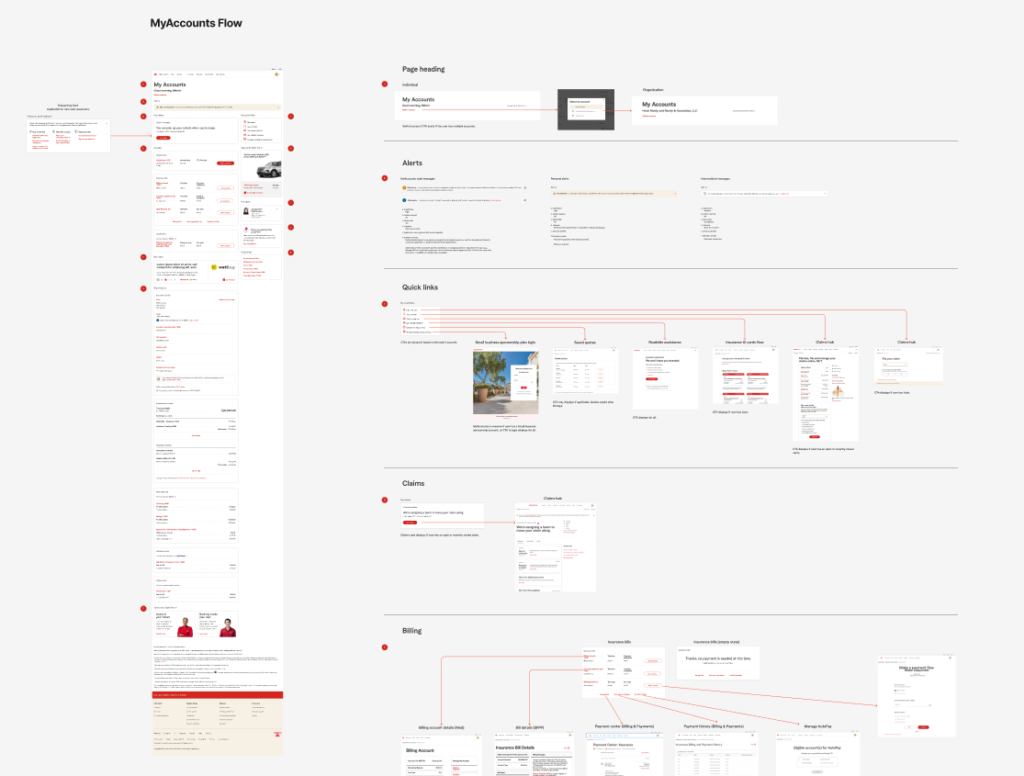
Redesigning a High-Traffic Account Management Experience to Improve Usability and Reduce Support Calls
Leading a year-long UX-driven transformation of State Farm’s My Accounts platform
Project Overview
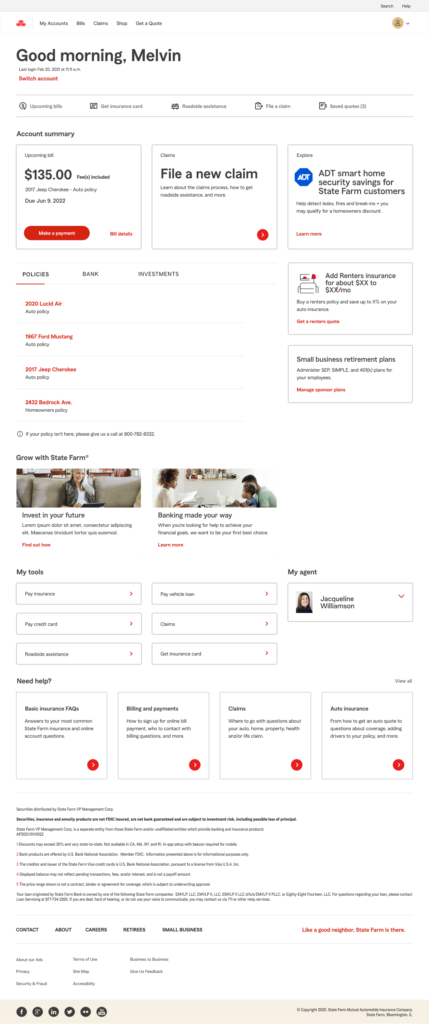
State Farm’s My Accounts platform is a critical, high-traffic experience where customers manage policies, billing, and service requests.
Given its importance, friction in the experience directly impacts:
- customer satisfaction
- operational efficiency
- call center volume
My Contributions
I led UX efforts across a year-long redesign initiative in close collaboration with Product and Engineering. The goal was to improve usability, simplify the experience, and introduce scalable enhancements—without disrupting the existing product roadmap.
Client:
StateFarm
Scope:
End-to-end redesign strategy and execution
Role:
UX Lead/Senior UX Architect
Collaboration:
UX, Product, Engineering
Platform:
Desktop/mobile responsive (authenticated)
The Challenge
The experience had recently been updated, but usability challenges remained:
- Users struggled to find key information and complete tasks efficiently
- Navigation and information architecture created confusion
- Content lacked clarity and context
- Redundant elements increased cognitive load
At the same time, constraints were significant:
- The platform was already live and widely used
- A full overhaul risked disrupting business operations
- Product teams needed to stay aligned with an active roadmap
The challenge was to drive meaningful improvements within real-world constraints, balancing user needs with business continuity.
My Role
I led UX strategy and execution across the redesign, working closely with Product and Engineering teams.
My responsibilities included:
- Leading UX assessment and identifying root usability issues
- Driving alignment across cross-functional stakeholders
- Defining redesign priorities and strategic direction
- Facilitating collaborative working sessions
- Designing and refining updated user flows and interfaces
- Ensuring solutions aligned with both user needs and business constraints
This required both hands-on design leadership and strong cross-functional influence.
Approach
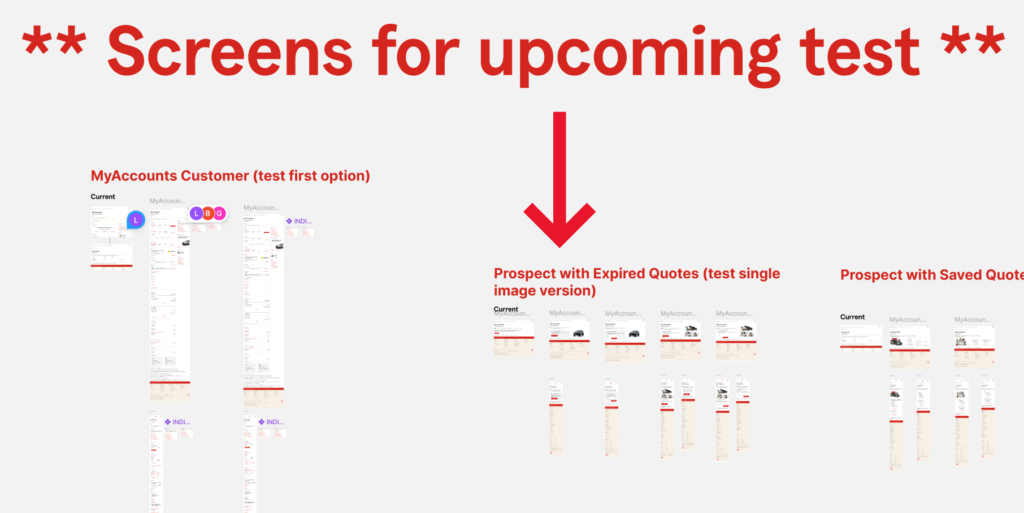
I structured the work as a continuous, iterative effort aligned with the product roadmap.
- UX Assessment and Discovery
- Conducted heuristic evaluations and journey analysis
- Identified friction points in navigation, content, and task flows
- Synthesized stakeholder and business input
- Problem Framing and Alignment
- Translated findings into clear, actionable themes
- Framed issues in terms of both user and business impact
- Built alignment across Product and Engineering teams
- Incremental Redesign Strategy
Rather than a full overhaul, I defined a phased approach:
- Prioritize high-impact usability improvements
- Deliver updates iteratively
- Align changes with roadmap timelines
- Design and Optimization
- Simplified layouts and reduced clutter
- Restructured information architecture
- Improved navigation and task access
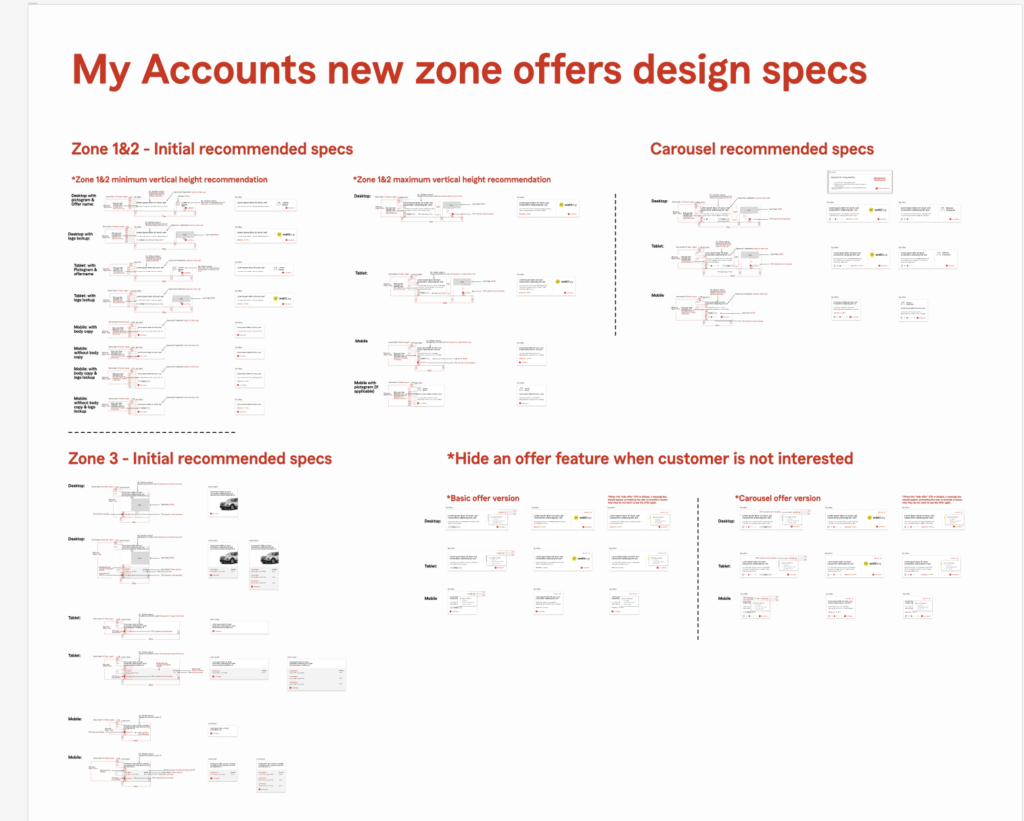
- Introduced more flexible, scalable design patterns
Key Insights
- Findability Was a Core Barrier
Users struggled to locate important information due to unclear structure and organization.
Impact: Slower task completion and increased frustration
- Cognitive Load Was Too High
Cluttered layouts and redundant elements made the experience harder to navigate.
Impact: Reduced usability and lower efficiency
- Task Access Was Not Intuitive
Key actions were not easily accessible or clearly prioritized.
Impact: Users took longer paths or required assistance
- The Experience Lacked Flexibility
The existing system limited the ability to personalize and evolve the experience.
Impact: Reduced long-term scalability and relevance
Design Strategy
Based on these insights, I led a redesign focused on:
Simplifying the Experience
- Removed unnecessary elements and reduced clutter
- Streamlined layouts to improve clarity
Improving Information Architecture
- Reorganized content to better match user expectations
- Improved grouping and labeling
Enhancing Task Accessibility
- Made key actions easier to find and complete
- Reduced steps in common workflows
Enabling Personalization and Flexibility
- Introduced a more dynamic and scalable structure
- Supported future personalization and feature expansion
Solution
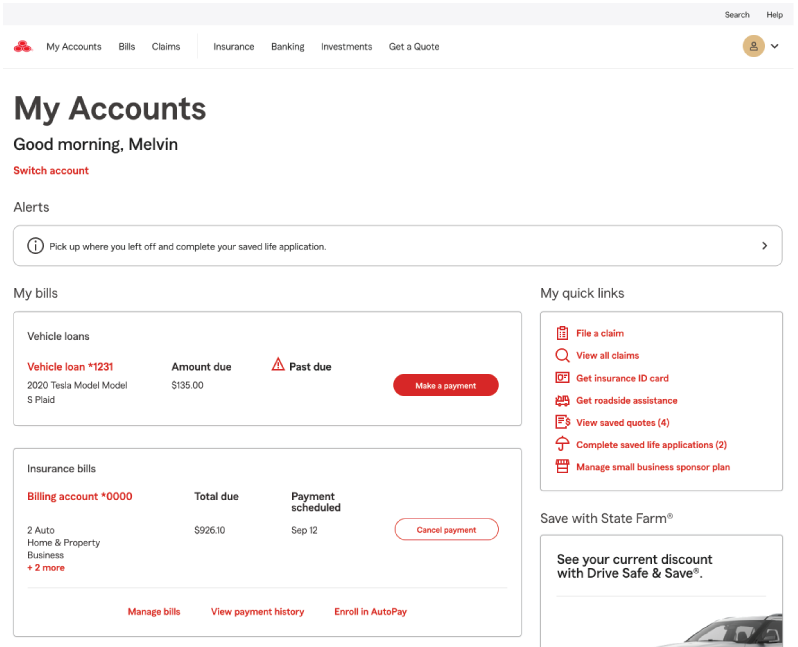
The redesigned experience delivered a cleaner, more intuitive platform:
- Simplified layout and structure
- Reduced redundancy across the experience
- Clearer navigation and improved task access
- More flexible infrastructure to support personalization
- Improved alignment between user expectations and system behavior
Outcome
The redesign delivered measurable and strategic impact:
- 10% reduction in related call center volume
- Improved usability and task efficiency
- Strong positive feedback from leadership
- Successful delivery without disrupting the product roadmap
- Established a more scalable foundation for future enhancements
What This Project Demonstrates
This work reflects my ability to:
- Lead UX strategy on complex, high-traffic platforms
- Drive alignment across Product, Engineering, and stakeholders
- Balance user needs with business and technical constraints
- Deliver measurable business impact through design
- Create scalable, future-ready experience frameworks
